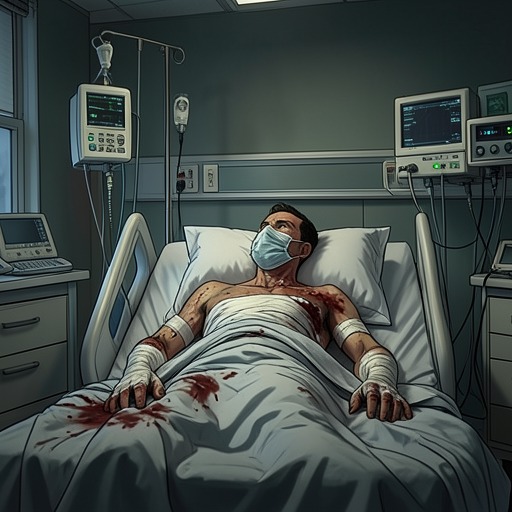
Ian dies by suicide
Tiny Beautiful Things: Advice on Love and Life from Dear SugarIan’s suicide is the sudden ending of a life the account has presented as contradictory and changeable. Sugar does not treat the match associated with his altered appearance as a sufficient explanation; she reflects instead on how his refusal of romantic love may have mattered, and turns that question toward the possibility of allowing oneself to be loved.
Background and the Life Before His Death
The account sketches Ian through reversals rather than a single defining trait. He could be generous and manipulative, cutting and sweet; he moved between homes, changed their colors, drank, stopped, and began again. He made money in real estate and lost money in another business venture, reconciled with some people he loved and became estranged from others. These shifts resist a tidy portrait of a life moving steadily toward one outcome.
His relationship with Sugar also appears in small, uneven gestures. He did not return her calls, but later read her first book and sent a kind note. He gave her first child expensive baby trousers, yet sighed and said he loathed children when she told him she was pregnant with her second. At Thanksgiving he roared; in another family scene, he crouched beneath a bed, pretended to be a fire-breathing monster, and laughed with the adults who understood the joke. The contrast makes his death a rupture in a life still described through changing moods, attachments, and acts of affection.
The Suicide
Less than a month after the events immediately preceding the account’s recollection, a week before Christmas, Ian died by suicide at forty-four. He left no note. The timing and absence of an explanation are stated plainly; the account does not supply a final message or a definitive answer to why he died.
Sugar’s Retrospective Interpretation
Sugar considers whether Ian’s death could be traced to the match he once said he would not undo. In her account, the match made him appear monstrous and, in his own understanding, unfit for romantic love, while also making him rich and happy. Its symbolic force tempts an uncomplicated reading: one event changed his appearance and fortune, so that event must explain his death. Sugar explicitly resists that conclusion.
Instead, she locates the question in Ian’s decision to close himself off from romantic love because of his appearance. She does not present this as a certain, exhaustive cause of his suicide; it is her considered interpretation, offered while acknowledging what she cannot know. The distinction redirects her response to the letter writer: the central issue is not only whether another person might offer romantic love, but whether the person fearing rejection can allow that love to be possible. Ian’s death thus informs Sugar’s insistence that despair and withdrawal must not be mistaken for the only available answer.